In the intricate world of immunology, the recognition and binding to major histocompatibility complex (MHC) molecules are essential processes that help the immune system distinguish between self and non-self entities. These molecules play a crucial role in presenting antigens to T cells, thereby initiating the immune response. Understanding how various components interact with MHC molecules can significantly enhance our knowledge of immunological responses and has implications for therapeutic interventions in diseases, including cancer and autoimmune disorders.
As researchers delve deeper into the mechanisms that underlie T cell activation, the concept of MHC molecules has garnered increased attention. The ability of T cell receptors (TCRs) to recognize and bind to an MHC molecule is fundamental for the activation of T cells. This understanding not only sheds light on basic immunological concepts but also informs the development of vaccines and immunotherapies. In this article, we will explore the significance of recognizing and binding to an MHC molecule through a series of multiple-choice questions designed to enhance comprehension of this vital immunological process.
The relationship between T cells and MHC molecules exemplifies the complexity of the immune response. It is critical for researchers, healthcare professionals, and students alike to grasp these concepts as they form the foundation for advanced studies in immunology. By assessing knowledge through multiple-choice questions, we can evaluate our understanding and identify areas that may require further exploration. Join us as we traverse through this fascinating subject and test your knowledge on how to recognize and bind to an MHC molecule.
What are MHC Molecules?
MHC molecules are cell surface proteins that play a vital role in the immune system by presenting peptide fragments of proteins from pathogens to T cells. There are two main classes of MHC molecules:
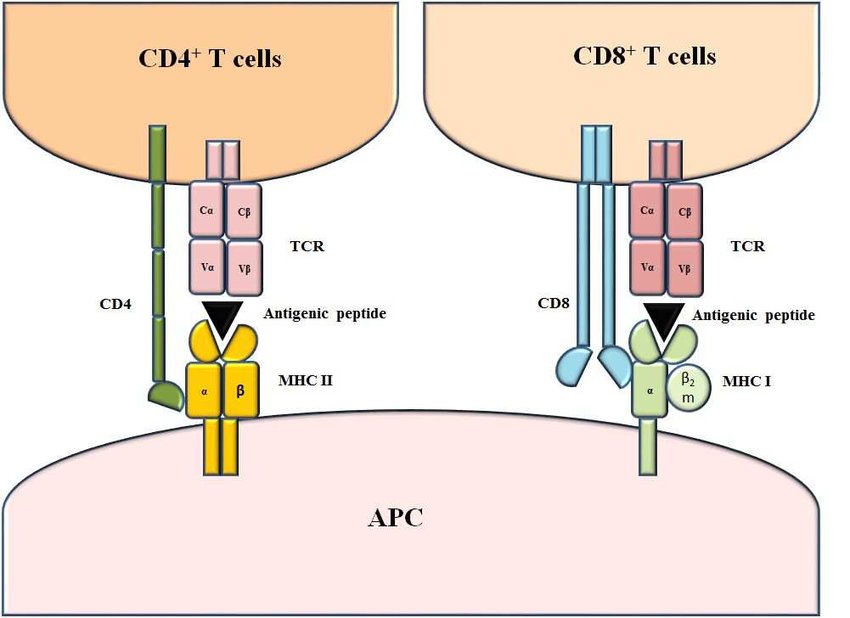
- MHC Class I: Found on almost all nucleated cells, presenting intracellular antigens to CD8+ cytotoxic T cells.
- MHC Class II: Primarily expressed on professional antigen-presenting cells (APCs) such as dendritic cells, macrophages, and B cells, presenting extracellular antigens to CD4+ helper T cells.
How Do T Cell Receptors Recognize MHC Molecules?
T cell receptors (TCRs) are responsible for recognizing and binding to MHC molecules. The recognition process involves:
- Specificity: TCRs are highly specific to the peptide-MHC complex.
- Co-receptor Interaction: CD4 or CD8 co-receptors stabilize the interaction between TCRs and MHC molecules.
Why is the Binding Affinity Important?
The strength of the interaction between TCR and MHC molecules is crucial because it influences:
- The activation threshold of T cells.
- The subsequent immune response.
What Factors Influence TCR-MHC Binding?
Several factors can influence the binding of TCRs to MHC molecules, including:
- The specific peptide presented by the MHC molecule.
- The structural conformation of the MHC molecule.
- The genetic diversity of MHC molecules among individuals.
What is the Role of Antigen Presentation?
Antigen presentation is a critical step in the immune response, as it determines:
- Whether T cells will be activated.
- Which type of immune response will be initiated.
How Can Understanding MHC Binding Lead to Therapeutic Advances?
Insights into how TCRs recognize and bind to MHC molecules have significant implications for therapies, such as:
- Vaccine development that targets specific MHC-peptide interactions.
- Immunotherapies for cancer by enhancing T cell responses against tumors.
Recognizing and Binding to an MHC Molecule: Multiple Choice Questions
Now, let’s test your knowledge with a series of multiple-choice questions about recognizing and binding to an MHC molecule:
Question 1: What is the primary function of MHC molecules?
- A) To produce antibodies
- B) To present antigens to T cells
- C) To activate B cells
- D) To destroy pathogens
Question 2: Which class of MHC molecules presents antigens to CD8+ T cells?
- A) MHC Class I
- B) MHC Class II
- C) Both Class I and Class II
- D) None of the above
Question 3: What enhances the binding affinity between a TCR and an MHC molecule?
- A) The presence of co-receptors
- B) The type of antigen
- C) The genetic background of the individual
- D) All of the above
Question 4: What is the outcome of a successful TCR-MHC binding?
- A) T cell activation
- B) Apoptosis of the T cell
- C) Inhibition of the immune response
- D) None of the above
Conclusion: The Importance of Recognizing and Binding to MHC Molecules
In summary, the ability to recognize and bind to an MHC molecule is a fundamental aspect of the immune response, playing a critical role in T cell activation and subsequent immune reactions. Through the exploration of this topic, we can better understand the mechanisms of immunity and potential therapeutic applications. The multiple-choice questions presented throughout this article serve to reinforce key concepts and encourage further inquiry into the fascinating world of immunology.

ncG1vNJzZmixn6PAtr7IZqWeq6RjsLC5jq2pnqaUnruogY6rnJynl6O2u7GMmqWdZZKeu6V506hkmqZdorWkecyoo56bpaGybrnUpauiqJyaeqS0zqKanmWhqrK0wMiopWegpKK5